Travelling Solo as a Social Worker in India – Reflection on Women’s Safety and Mobility

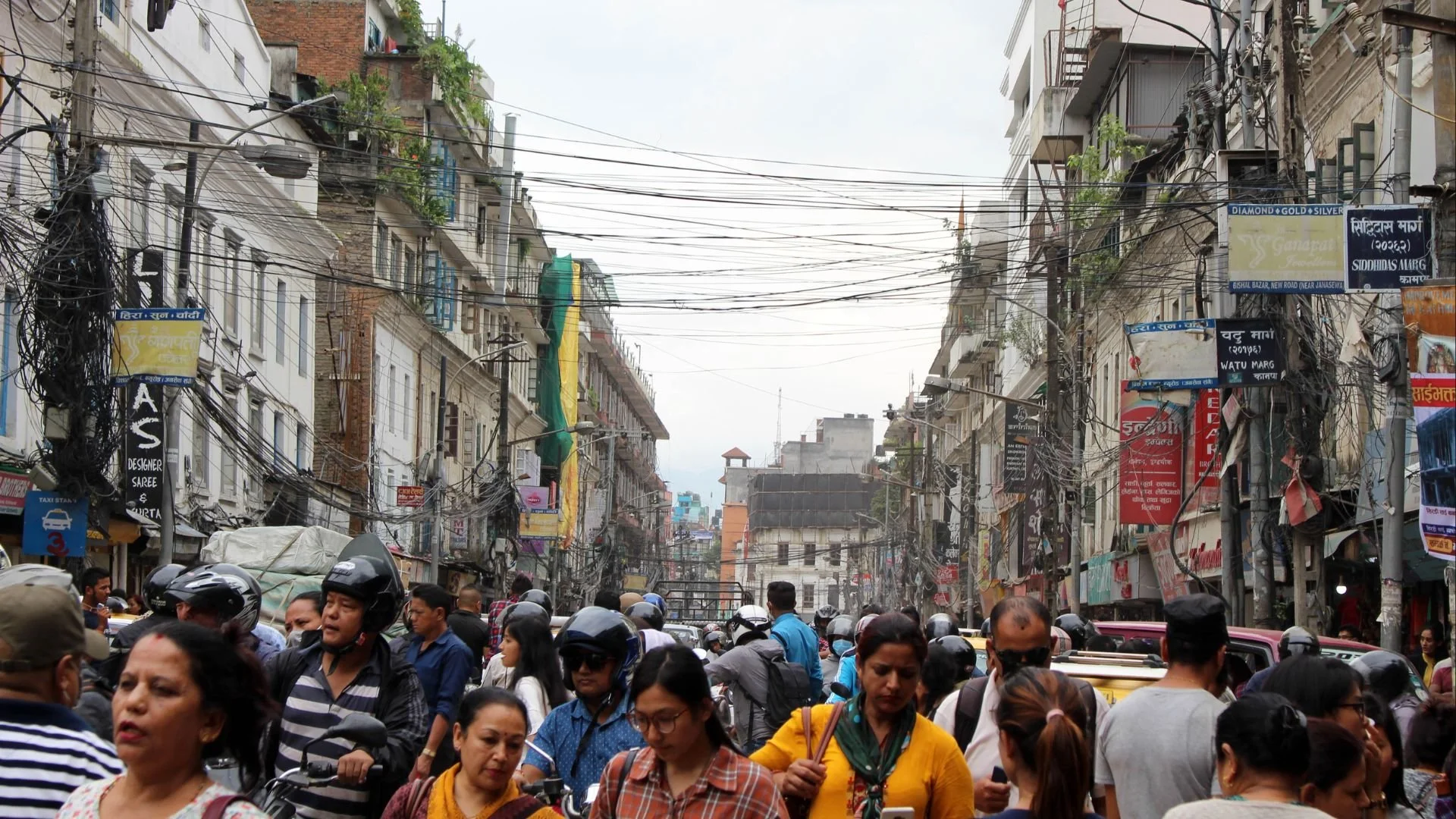
Travelling Solo as a Social Worker in India – Reflection on Women’s Safety and Mobility

Travelling can be a source of anxiety for many, particularly for women, who face unique challenges that affect themselves, their families, and society at large. In India, women must navigate safety concerns, hygiene issues, expenses, and lack of female-centric public infrastructure. As a social worker who frequently travels alone, I have experienced both the difficulties and the empowerment that comes with this independence. My journeys have shown me that travelling as a woman is not just about reaching a destination—it involves negotiating safety, challenging patriarchal norms, and finding strength in independence.

By Alka Dadheech (she/her)

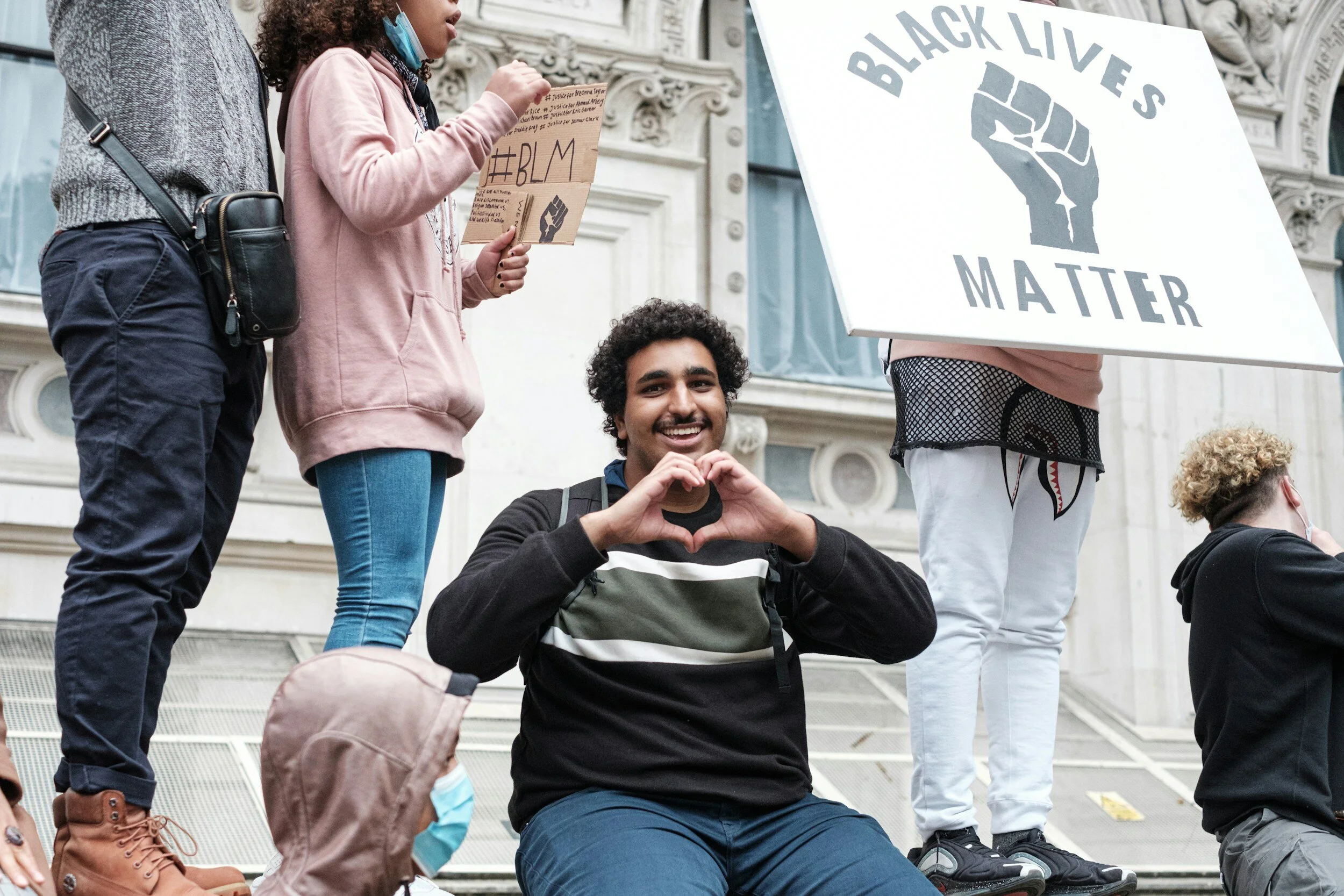
Black Women and Alternative Resistance: Architects of Change

Black Women and Alternative Resistance: Architects of Change

How Black Women Use Dance, Nudity, and Voice to Combat Oppression.

PART 1

By Temitope Ogunleye (she/her)

The Tale of Two Systems: Responses to #MeToo in China and Japan

The Tale of Two Systems: Responses to #MeToo in China and Japan

#MeToo exposed the prevailing influence of socio-economic structures on perpetuating traditional gender roles in East Asian culture. In the years since, how have the two countries fared in responding to the #MeToo movement?

By Ema Coleman (she/her)

Language as a Weapon: How Profanity Reinforces Misogyny in Nepal and Beyond 

Language as a Weapon: How Profanity Reinforces Misogyny in Nepal and Beyond 

Profanity isn’t just offensive, it’s expressive. Language reflects what a culture values, what it fears, and who it marginalises. Common Nepali slurs are designed to humiliate women and also shame the men who are associated with those women. This is a reflection of the broader societal attitude towards women.

By Priyansi Paudyal

What did the 'Little Mermaid' remake teach us about society?

What did the 'Little Mermaid' remake teach us about society?

“Society's normalisation of misogynoir is used as a covert mechanism to discredit and belittle Halle’s talent, individuals turning a blind eye to Halle’s talent for the sake of perpetuating misogynoir.”

By Lara Okunoren (she/her)